Table of Contents
- Overview
- Role
- Problem
- Goal
- Solution
- Technical Implementation
- Challenges and Learnings
- Final Thoughts
Overview
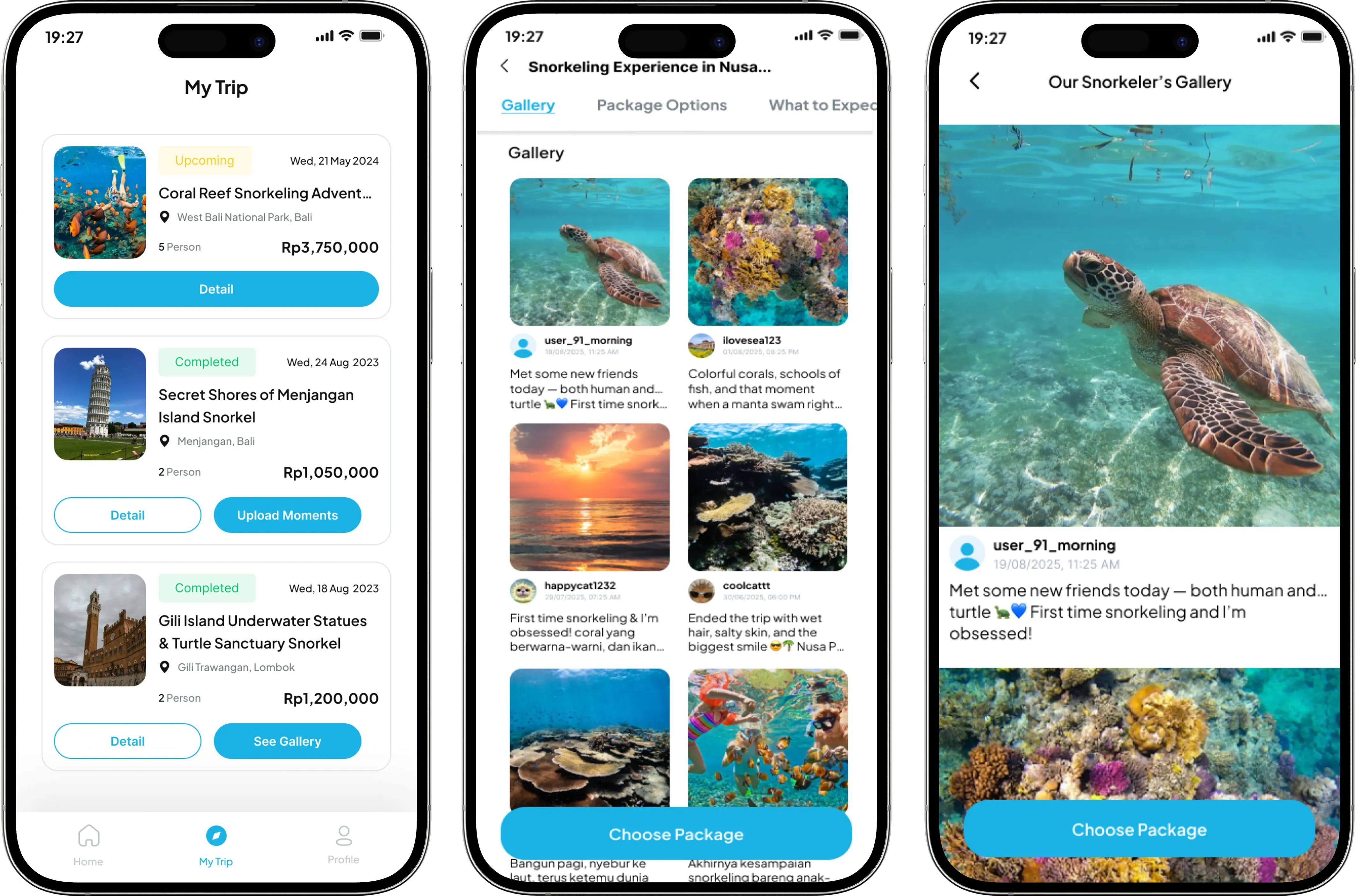
Cococool is an iOS application designed to streamline the snorkeling booking experience. Built with MVVM-C architecture and UIKit, the app provides comprehensive travel information, user-generated photo galleries, and seamless booking capabilities for snorkeling enthusiasts.
Role
iOS Engineer
Problem
Snorkeling enthusiasts face several challenges when planning trips:
- Scattered information across multiple platforms makes trip planning tedious.
- Lack of authentic visual content from actual visitors.
- Complicated booking processes with unclear pricing and availability.
- Difficulty assessing location quality before committing to bookings.
Goal
- Centralize snorkeling destination information in one intuitive app.
- Build a community-driven photo gallery showcasing real experiences.
- Simplify the booking process with transparent pricing and availability.
- Create an engaging user experience that inspires travel decisions.
Solution
Core Features
- Destination Explorer: Detailed information about snorkeling locations including marine life, difficulty levels, and best seasons.
- User Photo Gallery: Community-contributed photos organized by location and date.
- Booking System: Integrated booking flow with real-time availability and instant confirmation.
Design Philosophy
- Visual-First Approach: Immersive photos to inspire travel decisions.
- Clear Information Hierarchy: Essential details presented without overwhelming users.
- Seamless Navigation: Coordinator pattern ensures smooth flow between features.
Technical Implementation
MVVM-C Architecture
- ViewModels: Handle business logic and data transformation
- Coordinators: Manage navigation flow and dependency injection
- Models: Clean data structures with Codable conformance
Key Technologies
- UIKit: Custom UI components optimized for performance
- URLSession: Efficient networking with image caching
Challenges and Learnings
- Image Loading Performance: Implemented progressive loading and caching strategy to handle large photo galleries efficiently.
- Booking Integration: Coordinating with booking APIs required robust error handling and fallback mechanisms.
- User-Generated Content: Implementing moderation system while maintaining fast upload experience.
Final Thoughts
- Visual Content Drives Decisions: Users were more likely to book after viewing user photos versus stock images.
- Architecture Matters: MVVM-C pattern made the codebase maintainable and testable as features grew.
- Community Building: User-generated content created a sense of community that increased app retention.